Understanding the AC Phase-Out Timeline for Orlando Homeowners
Published: 2026-06-24 · By BetterHVAC AC Repairs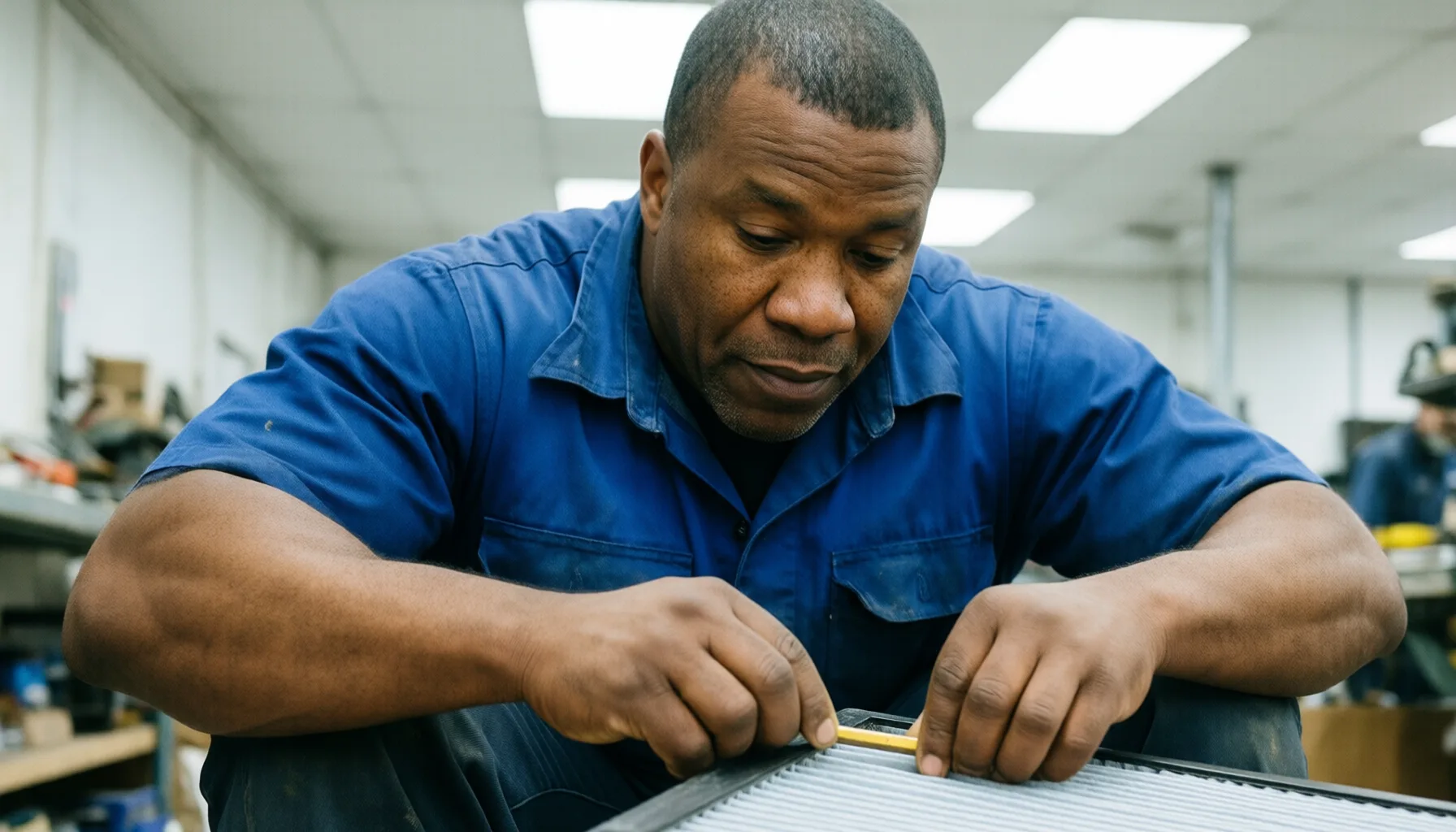
For Orlando homeowners, the onset of summer brings not only soaring temperatures but also the ever-present concern of air conditioning efficiency. With high humidity levels and the threat of tropical storms, an effective HVAC system isn't just a luxury—it's a necessity. As local codes evolve, many are left wondering where they stand with their aging AC units and what upgrades they might need. Understanding the AC phase-out timeline is crucial for homeowners who want to keep their homes cool without breaking the bank.
Why This Matters for Orlando Homeowners
Orlando’s unique climate poses a constant threat to the longevity of air conditioning systems. The high humidity and salt air can rapidly accelerate wear and tear, leading to more frequent repairs and replacements. Homeowners face pressure from both environmental factors and local regulations as older models become less efficient or even illegal. This urgency not only impacts comfort levels but also expenditures, as running outdated systems can inflate energy bills significantly.
Additionally, as you consider replacing your AC system due to these regulations, it’s essential to be aware of the implications of upgrading. The transition timeline varies, and understanding these changes can prevent last-minute, costly decisions. Failing to act might mean dealing with an inefficient system during peak temperatures, significantly impacting home comfort and budget.
Expert Solutions & Actionable Tips
1. Understand the Phase-Out Regulations
Be proactive in learning about changing regulations regarding air conditioning systems in Florida. For instance, the U.S. Department of Energy has set higher energy efficiency standards for air conditioning units, specifically mandating updated SEER ratings. Prioritize units with a SEER rating of at least 14 to maximize efficiency, especially with Orlando’s high humidity.
This can mean a price tag between $3,500 to $7,500 for new installations, depending on the size and efficiency rating of the unit. Knowing these regulations can save you from major headaches and costs down the road.
2. Monitor Your Current Unit's Efficiency
Assess your AC system's efficiency regularly, especially as Orlando summers heat up. Consider indicators like rising energy bills and inadequate cooling. If your unit is over a decade old and shows signs of unreliability, it might be time for an upgrade.
Patience could save you money, as many units become available with competitive pricing in the fall months. Stay attuned to local HVAC promotions, as companies often offer significant discounts before the high-demand summer season.
3. Look for Signs of Corrosion
Given Orlando’s coastal location and the corrosive nature of salt air, homeowners should check for signs of corrosion on their AC units. Rust can significantly reduce efficiency and lead to more severe issues down the line.
Addressing these problems early may cost between $200 and $600 for minor repairs, potentially saving thousands in full replacements later. Regular maintenance checks can help preserve your system’s effectiveness and longevity.
4. Invest in High-Quality Filters
Filters are your first line of defense against dirt and allergens entering your AC system. In humid conditions like Orlando’s, investing in high-quality filters can greatly enhance performance.
The good news is that quality filters range from $10 to $30 each and should be changed every one to three months. This minor investment can lead to improved air quality and increased energy efficiency.
5. Consider Smart Thermostat Upgrades
Smart thermostats can optimize your AC system, adjusting settings based on daily usage patterns and outdoor temperatures. This can lead to energy savings of approximately 10-15% on cooling costs.
Installation costs for a smart thermostat typically range from $100 to $300, but the return on investment through energy savings and convenience can be significant, making it an appealing option for homeowners.
6. Schedule Regular Professional Inspections
Regular checks by HVAC professionals can identify potential issues before they escalate into costly repairs. In Orlando’s unique climate, systems are subjected to undue stress from humidity and storms, necessitating thorough inspections at least once a year.
Investments in professional maintenance can range from $100 to $300 and are essential for ensuring longevity and compliance with local regulations. Keep your unit running smoothly and efficiently through timely assessments.
Orlando Climate & Local Context
Orlando's climate, characterized by hot summers and mild winters, demands functional and efficient air conditioning systems. With humidity levels often reaching uncomfortable highs, many homes rely heavily on HVAC systems to maintain indoor comfort. The local building stock often includes homes elevated on piers, which help combat the effects of flooding and moisture accumulation. It's crucial for homeowners to integrate moisture barriers and efficient drainage systems to protect their investment.
Additionally, local codes require compliance with energy efficiency standards, making it vital to stay updated on regulations. Permit considerations must also be taken into account, as they vary with upgrades and replacements, often requiring inspections to ensure compliance. Dealing with these elements correctly ensures a smoother transition to more efficient systems without unexpected setbacks.
When to Call a Professional
Determining when to tackle AC repairs independently versus calling in the professionals can be challenging. While some minor issues like changing filters or cleaning coils can easily be handled by homeowners, others are best left to experts. Basic troubleshooting often involves checking power supplies or programming thermostats, which may seem straightforward.
- Water leaks around the AC unit
- Unusual noises emanating from the unit
- Air not blowing as cold as expected
- Foul odors coming from the vents
- Frequent system cycling on and off
- Higher than normal energy bills
- Increased humidity indoors
- Visible corrosion on the unit
If any of these red flags occur, it’s advisable to reach out to an experienced HVAC professional. They can quickly assess the situation and recommend effective solutions for your needs.
Frequently Asked Questions
What should I do if my AC is not cooling?
If your AC unit fails to cool effectively, check if the thermostat is set correctly or if the filters are clogged. If these are fine, it may be time to consult a professional for a deeper inspection.
When is the best time for AC maintenance?
The ideal time for AC maintenance in Orlando is before summer peak demand, typically in the spring. This ensures your unit is operating efficiently when you need it the most.
How can I improve my AC's efficiency?
Improving AC efficiency can often be achieved through regular filter changes, maintaining proper airflow, and installing a programmable thermostat for better control.
What are the benefits of upgrading my AC unit?
Upgrading your AC unit can lead to significant energy savings, improved cooling performance, and reduced environmental impact, especially with new higher SEER-rated systems.
Is it possible to repair my AC unit on my own?
Some minor repairs, such as replacing filters or cleaning the exterior, are manageable for homeowners. However, for significant issues, it’s best to call a professional to avoid compromising safety.
Get Expert Air Conditioning Repair Service in Orlando
Don’t let the rising temperatures catch you off guard. Be proactive about your AC system's health and efficiency. If you're in need of repair or maintenance, contact BetterHVAC AC Repairs today.
Our team is ready to assist Orlando homeowners with quality service tailored to our humid and challenging climate. Call (689) 268-2948 now to schedule your appointment and ensure your home remains comfortable year-round.